What's the difference between land clearing and tree removal? Aren't they the same?
That's a common question, and it's a good one because people often use the terms interchangeably, but they're definitely not the same thing. Think of tree removal as a surgical procedure for a single tree or a small cluster. We're carefully taking down specific trees, usually leaving the surrounding area pretty much untouched. Land clearing, on the other hand, is more like a major landscape overhaul. We're talking about removing all vegetation – trees, shrubs, brush, stumps, rocks, sometimes even old structures – from a much larger area. The goal is to get the land completely bare, ready for new construction, extensive landscaping, or fire abatement. It's a much bigger job, requiring heavier equipment and a different approach than just taking out a couple of trees.
Do I really need a permit for land clearing in Aliso Viejo?
Absolutely, you almost certainly do. This isn't something you want to skip. Aliso Viejo, like most cities in Orange County, has strict regulations about tree removal and land disturbance. It's not just about the size of the trees; it's about protecting native habitats, preventing erosion, and managing stormwater runoff. If you're clearing a significant portion of land, especially if it involves removing mature trees or disturbing slopes, you'll need to check with the city's planning department. Sometimes, you might even need an arborist report to justify the removal of certain trees. Ignoring permits can lead to hefty fines, stop-work orders, and even requirements to replant, which can be a real headache and cost you way more in the long run. I always tell folks, get the permits squared away first. It saves everyone a lot of trouble.
How long does a typical land clearing project take?
That's like asking how long a piece of string is, right? It really depends on a bunch of factors. The size of the area is obviously a big one – clearing a quarter-acre lot is a lot quicker than clearing five acres. Then there's the density and type of vegetation. Is it mostly brush and small saplings, or are we talking about a dense forest of mature oaks and sycamores? The terrain plays a huge role too. Clearing a flat, easily accessible lot is much faster than working on a steep hillside or an area with tricky access, like some of those properties up near the Aliso & Wood Canyons Wilderness Park. Weather can also throw a wrench in things; heavy rains can make the ground too soft for heavy machinery. For a typical residential lot, say half an acre with moderate growth, you might be looking at a few days to a week. Larger, more complex projects can take several weeks. We'll always give you a realistic timeline after we've had a chance to assess your specific property.
What happens to all the cleared debris? Can I just burn it?
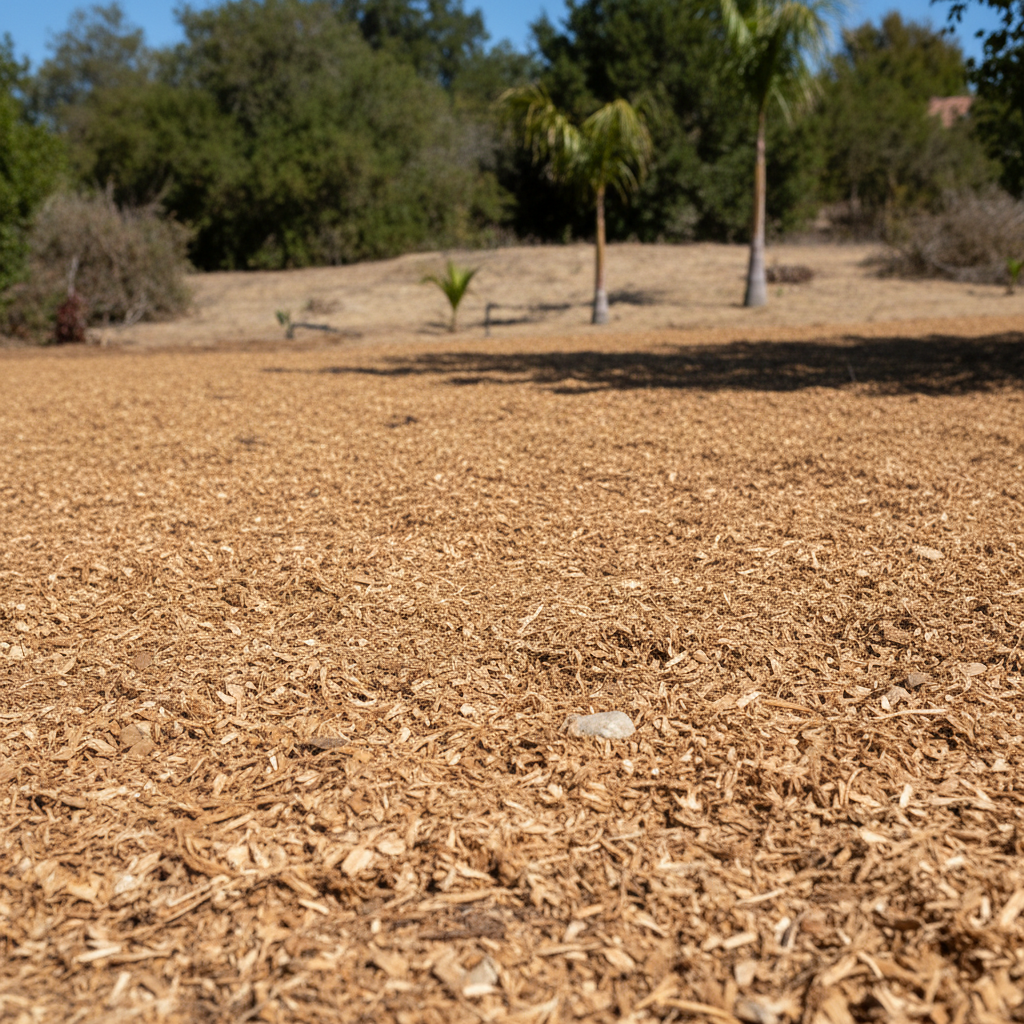
No, you absolutely cannot just burn it, especially not here in Aliso Viejo. Open burning is highly regulated, and generally not allowed for land clearing debris in residential areas due to fire risk and air quality concerns. We're in a high-fire-severity zone, and nobody wants to be responsible for starting something. What we do with the debris depends on the type and volume. Smaller brush and branches can often be chipped on-site, and those chips can sometimes be left for mulch if you want them, or hauled away. Larger logs and stumps are usually hauled off to a green waste facility for recycling or composting. Sometimes, if the wood is good quality, it can even be repurposed. Our goal at Aliso Viejo Tree Service is always to dispose of everything responsibly and efficiently, minimizing waste and environmental impact.
Will land clearing damage my soil or property?
It's true that land clearing involves heavy machinery and can disturb the soil. If not done properly, it can lead to erosion, soil compaction, and damage to existing structures or landscaping you want to keep. That's why choosing an experienced contractor is so important. We take precautions to minimize impact. This includes planning access routes carefully, using the right equipment for the job to avoid unnecessary compaction, and implementing erosion control measures, especially on slopes. We also work to protect any trees or features you've designated to remain. A professional crew knows how to work efficiently while respecting your property and the environment. We're not just bulldozing; we're strategically clearing.
How can I prevent regrowth after land clearing?
Preventing regrowth is key if you want your cleared land to stay clear. Just taking out the trees and brush isn't the end of it; nature is always trying to reclaim its territory. For smaller brush and weeds, regular mowing or mulching can help suppress new growth. For stumps, grinding them out is usually the best option to prevent them from resprouting. If you're not building immediately, planting a cover crop can help stabilize the soil and outcompete weeds. Sometimes, a targeted application of herbicides might be necessary, but we always recommend exploring other options first, especially if you're concerned about chemicals. It’s an ongoing process, not a one-time fix. We can talk through the best long-term strategies based on what you plan to do with the cleared land.
What's the best time of year for land clearing in Aliso Viejo?
Generally, the dry season is preferable for land clearing, which for us here in Aliso Viejo usually means late spring through fall. The ground is firmer then, making it easier for heavy equipment to operate without getting stuck or causing excessive soil compaction and rutting. It also reduces the risk of erosion, especially on sloped properties, if you're disturbing a lot of soil. Working during the wet winter months can turn a job site into a muddy mess, slow down progress, and increase costs. Plus, you have to consider nesting seasons for local wildlife. We always try to schedule projects to minimize disruption to local ecosystems. However, if you have an urgent need, like fire abatement or preparing for a construction deadline, we can work year-round, we just adjust our methods and take extra precautions for the conditions.