A tree just fell on your roof, or it's leaning precariously over your kid's bedroom. What do you do? Panic is a natural first reaction, but it won't help. What you need is a plan, and you need to know when to call in the cavalry.
Emergency tree removal isn't something most homeowners think about until it's staring them in the face. But living here in Aliso Viejo, especially with our occasional Santa Ana winds or those heavy winter rains that can saturate the soil in areas like the hills near Wood Canyon, it's a reality we sometimes face. Let's talk about what you need to know.
Before Disaster Strikes: Preparation is Key
You can't prevent every emergency, but you can definitely reduce the chances of one happening. This is where proactive tree care comes in. I've seen countless situations where a little foresight could've saved a lot of headache and money.
- Regular Inspections: Take a good look at your trees, especially the big ones, a few times a year. Are there dead branches? Cracks in the trunk? Mushrooms growing at the base? These are all red flags.
- Pruning: Get your trees professionally pruned. Removing weak or dead limbs before a storm hits means fewer things to break off and cause damage. It's like preventative maintenance for your car, but for your trees.
- Know Your Trees: Some trees are more prone to failure than others. Eucalyptus, for example, can be notorious for dropping limbs, especially when stressed. Understanding the species on your property helps you anticipate problems.
- Emergency Contact: Have the number for a reputable, insured tree service like Aliso Viejo Tree Service saved in your phone. You don't want to be scrambling to find one at 2 AM when a branch just took out your power line.
During the Emergency: What to Do (and Not Do)
Okay, it's happened. A tree or a large limb has come down, or it's clearly unstable and about to. Your first priority is safety.
- Stay Clear: Do not, under any circumstances, go near a fallen tree that's touching power lines. Assume any downed line is live. Call 911 immediately and then your utility company.
- Assess the Damage (from a safe distance): Is anyone hurt? Is there structural damage to your home? Is the tree blocking a public right-of-way?
- Document Everything: Take photos and videos from multiple angles. This is crucial for insurance claims later.
- Secure the Area: If it's safe to do so, block off the area to prevent family members or pets from getting too close.
- Don't Be a Hero: Unless it's a small, easily manageable branch that poses no risk to you or property, do not try to remove it yourself. Seriously. A fallen tree is under immense, unpredictable tension. Cutting into it without knowing what you're doing can cause it to spring back, roll, or collapse further, leading to serious injury or even death. This is where the pros come in.
When to Call a Professional (Always for Emergencies)
Let's be clear: almost every emergency tree situation requires a professional. Why?
- Safety: We have the training, equipment, and experience to safely remove trees or limbs that are unstable, tangled in power lines, or threatening structures.
- Equipment: We've got chainsaws, lifts, cranes, ropes, and all the gear needed to do the job efficiently and safely. You probably don't have a 60-foot bucket truck in your garage.
- Insurance: A professional tree service carries liability insurance. If something goes wrong (and even pros have accidents), you're not on the hook for damages or injuries. This is a huge one. Always ask for proof of insurance.
- Expertise: We know how trees behave when they're compromised. We can assess the safest way to cut and remove sections without causing further damage to your property.
Now, what can you realistically do yourself? If it's a small, easily accessible branch that's fallen in your yard and isn't tangled in anything, sure, you can probably cut it up and haul it away. But if it's on your roof, near power lines, or a significant portion of a large tree, that's a job for Aliso Viejo Tree Service.
After the Emergency: The Clean-Up and What's Next
Once the immediate danger is handled and the tree or limb is safely removed, there are still a few things to consider.
- Insurance Claim: Contact your homeowner's insurance company as soon as possible. Provide them with your documentation (photos, videos). They'll guide you through the claims process.
- Damage Assessment: Have a professional inspect your home for any structural damage that might not be immediately obvious. This could include roof damage, foundation cracks, or even damage to underground utilities.
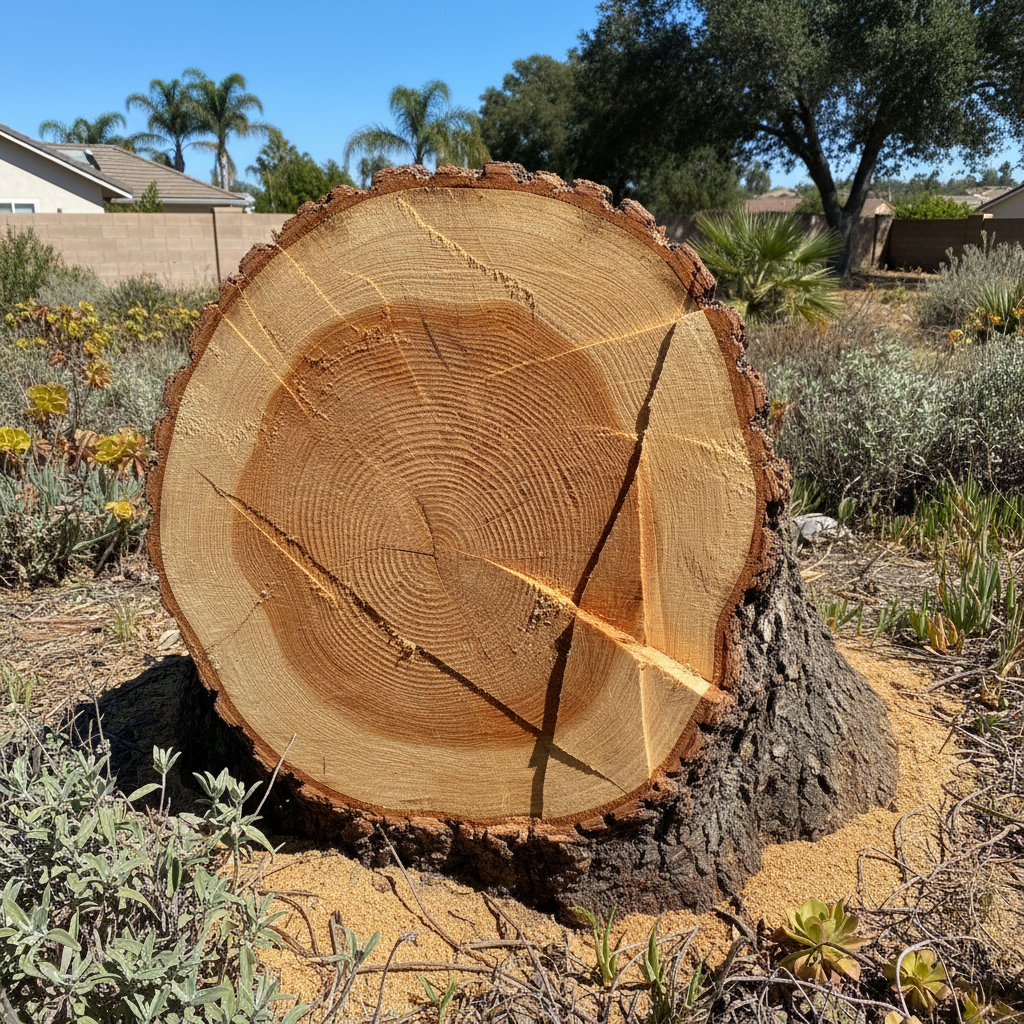
- Stump Removal: If the entire tree came down, you'll be left with a stump. You can choose to have it ground down or removed entirely. We can discuss the best option for your yard.
- Future Prevention: Take the lessons learned from this incident. Reassess the health of your other trees and consider a more rigorous preventative maintenance plan.
Dealing with an emergency tree situation is stressful, but knowing these steps can help you navigate it safely and effectively. Don't hesitate to call a professional when you need one; it's always better to be safe than sorry.