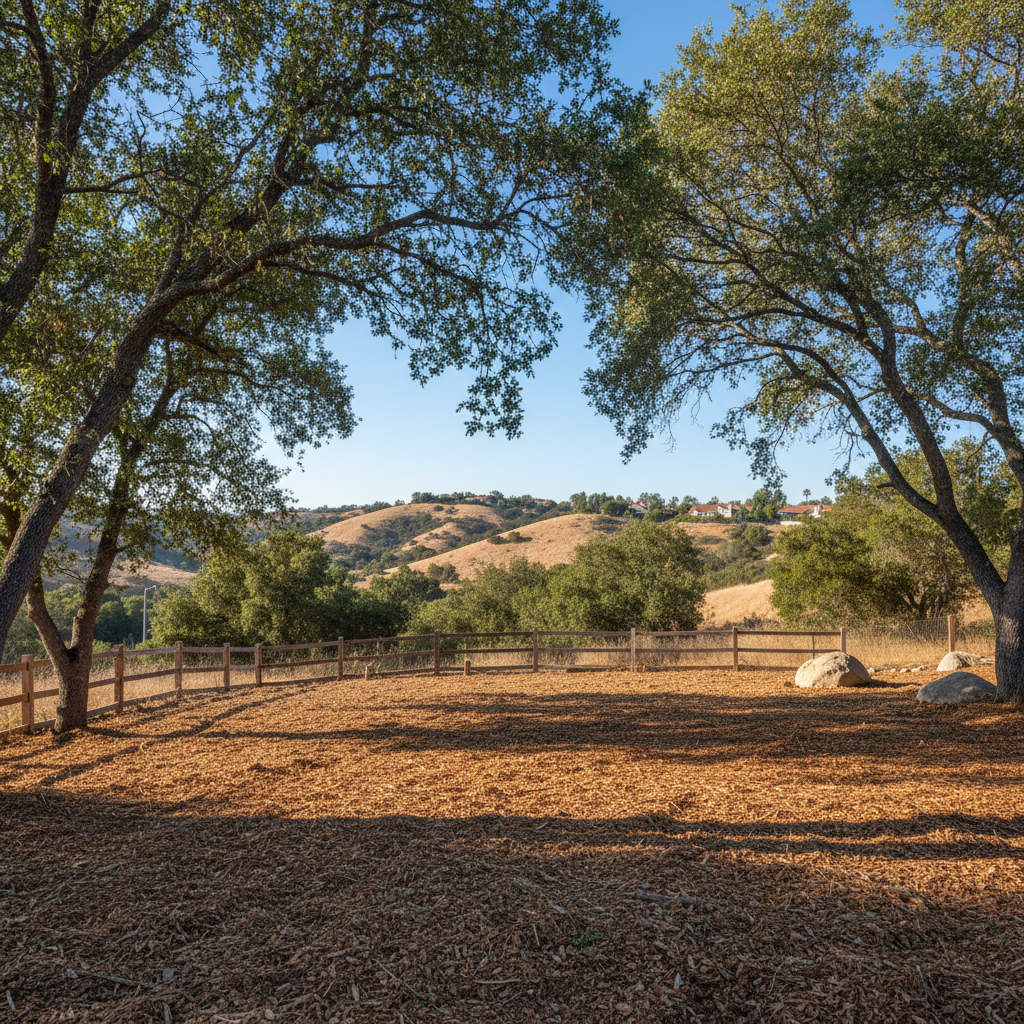
So, you've had your land cleared. Maybe it was for fire prevention, a new construction project, or just to reclaim some overgrown space. Whatever the reason, that fresh, open look is great, isn't it? But here’s the thing: nature doesn’t just stop growing because you’ve had a crew come through. If you want that cleared land to stay clear and healthy, you’ve got to put in a little work. It’s not a one-and-done deal, especially here in Aliso Viejo with our quick-growing chaparral and those long, dry summers.
How to Extend the Life of Your Land Clearing
Think of land clearing as a major haircut for your property. To keep it looking sharp, you need regular trims. The biggest thing you can do to extend the life of the work is to prevent regrowth from taking over. That means staying on top of things before they get out of hand again.
- Strategic Planting: If you're clearing for a purpose, like a defensible space around your home, choose fire-resistant, low-growing plants that don't need a lot of water. This helps keep new growth down and reduces fire risk.
- Mulching: Applying a layer of mulch (wood chips, bark) in areas you want to keep clear can suppress weeds and new saplings. It also helps retain soil moisture, which is a bonus in our dry climate. Just make sure it’s not piled right up against structures.
- Erosion Control: Especially on slopes, which we have plenty of around here, clearing can sometimes expose soil to erosion. Consider planting ground covers or using erosion control blankets to stabilize the soil. You don't want all that hard work washing away with the first big winter rain.
What Regular Maintenance Looks Like
This isn't rocket science, but it does require consistency. The goal is to catch problems when they're small and easy to manage.
- Regular Inspections: Walk your property at least once a month, especially after a rain or during peak growing seasons (spring and early summer). Look for new sprouts, invasive weeds, or signs of erosion.
- Weed Control: Pulling weeds by hand is effective for small areas. For larger spots, you might consider targeted herbicide application, but always follow directions carefully and be mindful of runoff, especially near storm drains that lead to the ocean.
- Brush Trimming: If you've cleared brush, you'll inevitably get some regrowth. Keep it trimmed back. For defensible space, you want to maintain that 100-foot perimeter around your home, or whatever your local fire department recommends. This means keeping grasses mowed short and removing dead or dying vegetation.
- Debris Removal: Don't let cut branches, leaves, or other organic debris pile up. These can become fuel for fires or create habitats for pests. Haul them away or chip them if you can use the mulch.
Warning Signs of Problems
You don't need to be an expert to spot trouble. Just pay attention to what your land is telling you.
- Rapid Regrowth: If you see a sudden explosion of new growth, especially aggressive weeds or saplings, it means you're falling behind. Our climate, with its quick bursts of growth after winter rains, can make this happen fast.
- Erosion Channels: Look for small gullies or channels forming on slopes, especially after heavy rain. This indicates soil is washing away, which can destabilize the land and lead to bigger issues.
- Pest Infestations: Overgrown areas can attract rodents, snakes, and insects. If you notice an increase in these critters, it might be a sign that vegetation is getting too dense again.
- Dead or Dying Vegetation: Patches of dead grass or shrubs, especially near structures, are fire hazards. Remove them immediately.
- New Invasive Species: Keep an eye out for plants you don't recognize. Invasive species can quickly outcompete native plants and become very difficult to remove once established.
When to Call a Professional
Sometimes, the job is just too big, too dangerous, or requires specialized knowledge. That’s when you call in the pros, like us at Aliso Viejo Tree Service.
- Large-Scale Regrowth: If an area has become heavily re-vegetated, beyond what you can reasonably handle with hand tools, it’s time to bring in the heavy equipment again.
- Hazardous Trees or Brush: Dealing with large, dead, or unstable trees, especially near power lines or structures, is extremely dangerous. Don't risk it.
- Steep Slopes or Difficult Terrain: Clearing on steep grades requires specialized equipment and safety protocols. It's not a DIY job.
- Pest or Disease Identification: If you're seeing widespread plant disease or an unusual pest problem, a professional arborist or land management expert can diagnose it and recommend the best course of action.
- Permit Requirements: Some larger clearing projects, especially those involving significant grading or tree removal, might require permits from the city or county. A professional service will know the local regulations and can help you navigate them.
Keeping your cleared land in Aliso Viejo looking good takes effort, but it’s worth it for the aesthetics, fire safety, and overall health of your property. Stay vigilant, do the regular maintenance, and don't hesitate to call in the experts when you need to. We're here to help keep your property safe and beautiful.