So, you've got a tree that needs to go. Maybe it's looking sick, maybe it's too close to the house, or maybe it's just in the way of your dream backyard project. Whatever the reason, tree removal isn't something most folks deal with every day, so it's natural to have a bunch of questions. I get 'em all the time, and I'm happy to clear things up. Here are the most common questions I hear from Aliso Viejo homeowners about taking down a tree.
Do I need a permit to remove a tree in Aliso Viejo?
This is probably the number one question I get, and it's a good one because the answer isn't always straightforward. Generally, if it's a tree on your private property and it's not a 'protected' tree, you probably don't need a permit. But here's the kicker: what counts as a 'protected' tree? In Aliso Viejo, that usually means native oaks (like Coast Live Oaks), sycamores, and sometimes even mature pepper trees, especially if they're over a certain size or in a specific area. The city has rules about these, and you can face some hefty fines if you remove one without permission. My advice? Always check with the City of Aliso Viejo's Planning Department first, or better yet, have me or another reputable arborist take a look. We can usually tell you pretty quickly if you're dealing with a protected species and help you navigate the permit process if one's needed. It's always better to be safe than sorry.
How much does tree removal cost in Aliso Viejo?
Ah, the million-dollar question, or more accurately, the several-hundred-to-several-thousand-dollar question. Look, there's no flat rate for tree removal. The cost depends on a lot of factors. Is the tree really tall? Is it close to your house, power lines, or other structures? Is it dead or diseased, which can make it more dangerous to remove? What kind of access do we have for our equipment? A small, easily accessible palm tree is going to cost a lot less than a massive, leaning oak in a tight backyard with no gate access. We also factor in disposal of the wood and debris. When I give you a quote, I'm looking at all these things to make sure we can do the job safely and efficiently. Don't just go with the cheapest bid; make sure you're comparing apples to apples and that the company is licensed and insured. That's non-negotiable.
Can I remove a tree myself?
Technically, you *can* do a lot of things yourself. But should you? For small, ornamental trees or shrubs that you can safely handle with basic tools, sure, go for it. But for anything larger than, say, a small sapling or a shrub that's taller than you, I strongly advise against it. Tree removal is dangerous work. We're talking about heavy falling limbs, sharp chainsaws, ladders, and sometimes working near power lines. One wrong cut, one slip, and you could be looking at serious injury, property damage, or worse. I've seen some DIY attempts go sideways, and it's never pretty. You might save a few bucks upfront, but the cost of an emergency room visit or repairing a damaged roof will far outweigh what you would have paid a professional. This is one of those jobs where experience and specialized equipment really matter.
What happens to the stump after the tree is removed?
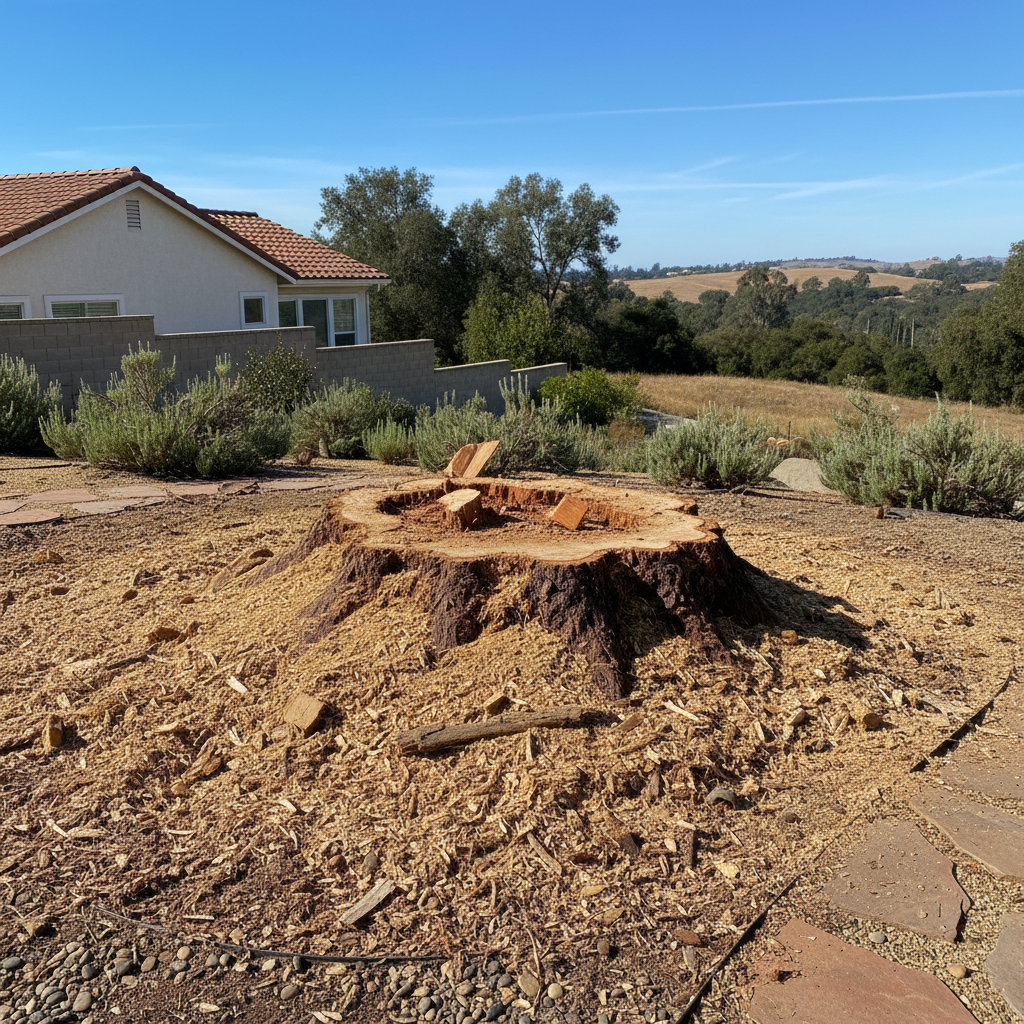
Once the tree is down, you're left with a stump. What happens next is up to you. Most of the time, homeowners opt for stump grinding. This is where we use a specialized machine to grind the stump down below ground level, usually 6-12 inches deep. This allows you to plant grass, lay sod, or even put in a new garden bed right over where the tree used to be. If you don't grind it, the stump will slowly decay, but it can take years, and it can attract pests like termites. Sometimes, if it's in an out-of-the-way spot, folks just leave it as a natural feature, maybe even turn it into a planter. We can discuss your options when we're on site.
When is the best time of year to remove a tree?
Honestly, you can remove a tree any time of year if it's necessary. If a tree is dead, diseased, or posing an immediate hazard, you don't wait for a specific season. However, if you have the luxury of planning, the dormant season (late fall to early spring) is often ideal. Why? For deciduous trees, there are no leaves, so it's lighter work and less debris to clean up. For all trees, the ground is usually firmer, which is better for heavy equipment, and there's less impact on surrounding landscaping. Plus, during the cooler months, the risk of heat stress for the crew is lower. That said, we work year-round. Aliso Viejo's weather is pretty mild, so we don't have extreme cold to worry about like some other places, though those Santa Ana winds can make things tricky sometimes.
Is Aliso Viejo Tree Service licensed and insured?
Absolutely, 100%. This is another critical question you should ask *any* tree service company you consider. Aliso Viejo Tree Service is fully licensed, bonded, and insured. We carry liability insurance and workers' compensation. This protects you, your property, and our crew. If a company can't provide proof of current insurance, walk away. Seriously. You don't want to be on the hook if something goes wrong. We're happy to provide all our credentials upfront. It's part of being a professional and responsible local business.
Hopefully, this clears up some of your questions about tree removal. It's a big job, and it's important to get it right. If you've got a tree you're concerned about, give us a call. We'll come out, take a look, and give you an honest assessment and a clear quote. No pressure, just good advice from your local experts.